Tree Removal vs Tree Preservation in Southern California: How to Make the Right Decision
Deciding whether to remove a tree or preserve it is one of the most important choices a property owner can face. In Southern California, where trees contribute significantly to property value, shade, and environmental balance, this decision carries both financial and safety implications.
Many property owners assume that a declining tree must be removed, while others delay removal even when a tree poses a risk. Both approaches can lead to costly consequences if the decision is not based on accurate evaluation.
At CalEco Arborists, the focus is on providing objective, data driven assessments that determine whether a tree can be safely preserved or whether removal is necessary to protect people and property.
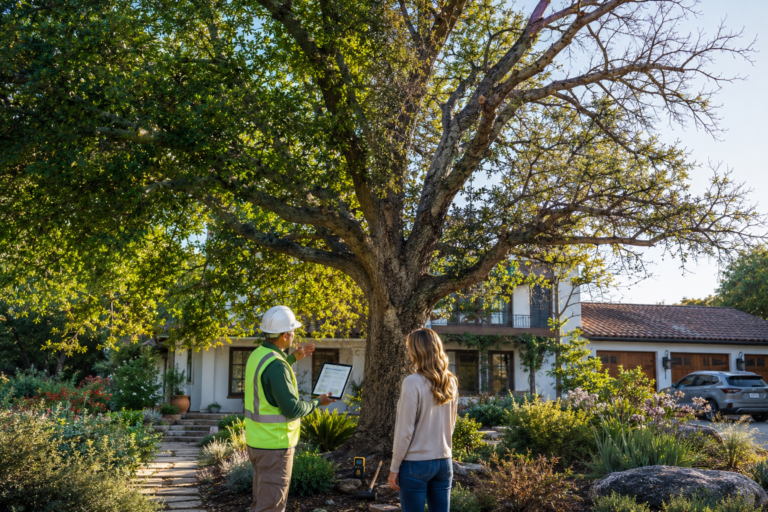
Why This Decision Matters
Trees are long term assets that provide shade, improve landscape aesthetics, and increase property value. Preserving a healthy tree is often the preferred outcome because it maintains these benefits while avoiding the cost and impact of removal.
However, a tree that is structurally compromised or severely declining can become a liability. Weak branches, internal decay, or root instability may not always be visible, but they can significantly increase the risk of failure.
Making the right decision requires understanding both the current condition of the tree and the potential risks it presents over time.
When Tree Preservation Is Possible
In many cases, trees that appear to be declining can still be preserved with proper care. Early detection of issues such as soil problems, irrigation imbalance, or minor pest activity allows for corrective action that restores health and stability.
Trees with intact structural integrity and manageable health issues are often good candidates for preservation. With the right combination of pruning, soil management, and ongoing monitoring, these trees can continue to provide value for years to come.
Preservation is especially important for mature trees, which take decades to replace and contribute significantly to the surrounding environment.
When Tree Removal Becomes Necessary
There are situations where removal is the safest and most practical option. Trees that have advanced internal decay, severe structural damage, or compromised root systems may no longer be stable.
A tree that poses a risk to nearby structures, walkways, or people should be carefully evaluated. In cases where the likelihood of failure is high, removal is often necessary to prevent damage or injury.
Disease that has progressed beyond treatment or infestations that have severely weakened the tree can also make preservation impractical. In these situations, removal helps eliminate risk and allows for replacement planning.
The Role of Structural Integrity
One of the most important factors in this decision is structural integrity. A tree may appear healthy on the outside while experiencing internal decay that weakens its core structure. This hidden damage can make the tree unstable even if it shows minimal external symptoms.
Evaluating structural integrity involves assessing the trunk, major branches, and root system. Any signs of cracking, hollowing, or decay must be carefully analyzed to determine the level of risk.
A professional tree risk assessment provides the information needed to understand whether a tree can safely remain in place or requires removal.
Tree Health vs Tree Risk
It is important to distinguish between tree health and tree risk. A tree can be unhealthy without being immediately dangerous, and a tree can appear healthy while still posing a significant risk.
For example, a tree with minor pest issues may still be structurally stable and suitable for preservation. On the other hand, a tree with internal decay may appear green and full but have a high likelihood of failure.
This distinction highlights the importance of professional evaluation. Decisions should not be based solely on appearance but on a complete understanding of both health and structural condition.
Cost Considerations and Long Term Value
Cost is often a factor when deciding between removal and preservation. While removal may seem like a straightforward solution, it can involve significant expense, particularly for large trees or those in complex locations.
Preservation, when possible, is often more cost effective in the long term. Maintaining a healthy tree avoids the need for replacement and preserves the value it adds to the property.
However, delaying removal of a hazardous tree can lead to higher costs if failure occurs. Property damage, emergency removal, and liability exposure can far exceed the cost of proactive action.
Balancing short term cost with long term value is essential when making this decision.
Environmental and Aesthetic Impact
Trees play an important role in the environment by providing shade, improving air quality, and supporting local ecosystems. Removing a tree can have a noticeable impact on the surrounding landscape.
Preservation helps maintain these benefits while supporting sustainability. Mature trees, in particular, contribute to temperature regulation and energy efficiency by reducing heat exposure.
When removal is necessary, planning for replacement ensures that these benefits are restored over time.
The Importance of Professional Evaluation
Because of the complexity involved, this decision should always be based on a professional assessment. A consulting arborist evaluates tree health, structural integrity, environmental conditions, and risk factors to provide a clear recommendation.
At CalEco Arborists, this process is designed to remove uncertainty and provide confidence in the decision. Whether the outcome is preservation or removal, it is based on accurate data and expert analysis.
Why Work With CalEco Arborists
CalEco Arborists specializes in consulting based tree care that prioritizes safety, accuracy, and long term results. Our approach focuses on understanding the full condition of the tree before making recommendations.
We provide detailed tree health assessments, tree risk evaluations, and arborist reports that support informed decision making. Every recommendation is tailored to the specific situation, ensuring that both the tree and the property are protected.
Final Thoughts
The decision to remove or preserve a tree is not always straightforward. While preservation is often the preferred option, safety and structural integrity must always come first.
By relying on accurate diagnosis and professional evaluation, property owners can make informed decisions that protect their investment and ensure long term stability.
In Southern California, where trees are both valuable and vulnerable to environmental stress, working with a qualified arborist is essential for achieving the best outcome.