Tree Pest Control Costs in Southern California: What to Expect and What Affects Pricing
Tree pest infestations are a growing concern in Southern California, and one of the first questions property owners ask is how much treatment will cost. While pricing can vary significantly, understanding what drives tree pest control costs is essential for making informed decisions.
Many property owners look for a simple price estimate, but tree pest control is not a one size fits all service. Costs depend on the type of pest, the severity of the infestation, the size of the tree, and the treatment method required. Without proper diagnosis, it is difficult to determine the true scope of the problem or the most effective solution.
At CalEco Arborists, pest control recommendations are based on accurate tree health assessments, ensuring that treatment plans address the root cause rather than just the visible symptoms.
Why Tree Pest Control Costs Vary
Tree pest control costs can differ widely because every situation is unique. Unlike general landscaping services, pest management requires a detailed understanding of the infestation and how it is affecting the tree.
The type of pest is one of the most important factors. Certain pests, such as shot hole borers, require specialized treatment methods due to the way they damage trees internally. Other pests, like aphids or scale insects, may be easier to manage but still require ongoing monitoring.
The severity of the infestation also plays a major role. Early stage infestations are typically less expensive to treat because the damage is limited. In contrast, advanced infestations often require more intensive intervention, which increases both labor and material costs.
Tree size and accessibility further influence pricing. Larger trees require more resources, equipment, and time to treat effectively. Trees located near structures or in difficult to access areas may also increase the complexity of the job.
Common Tree Pest Control Methods and Their Costs
Different treatment methods are used depending on the type of pest and the condition of the tree. Each method comes with its own cost considerations.
Soil treatments are commonly used to deliver nutrients or pest control solutions directly to the root system. These treatments are often effective for managing pests that affect the tree’s vascular system, but they require proper application and monitoring.
Trunk injections are another method used for more targeted treatment. This approach involves injecting solutions directly into the tree, allowing for precise control of certain pests. While effective, it typically requires specialized equipment and expertise, which can increase cost.
Foliar sprays are often used for surface level pests such as aphids and scale insects. These treatments are generally less expensive but may need to be repeated depending on the severity of the infestation.
In some cases, multiple treatments may be required over time to fully control the problem. This ongoing approach can impact the overall cost but is often necessary for long term success.
The Cost of Ignoring Tree Pests
Delaying treatment can significantly increase the overall cost of managing tree pests. What begins as a minor infestation can quickly escalate into a more serious problem that affects the structure and health of the tree.
As pests continue to damage the tree, treatment becomes more complex and less predictable. In severe cases, the tree may become structurally compromised, leading to additional costs related to risk management or removal.
Ignoring pest issues can also increase liability. A weakened tree is more likely to fail, which can result in property damage or injury. Addressing problems early is not only more cost effective, but also reduces long term risk.
The Importance of Accurate Pest Diagnosis
One of the most critical steps in controlling tree pests is identifying the exact cause of the problem. Many symptoms, such as leaf discoloration or branch dieback, can be caused by multiple factors, including disease, environmental stress, or improper care.
Without accurate diagnosis, treatments may be ineffective or unnecessary. This can lead to wasted resources and continued decline of the tree.
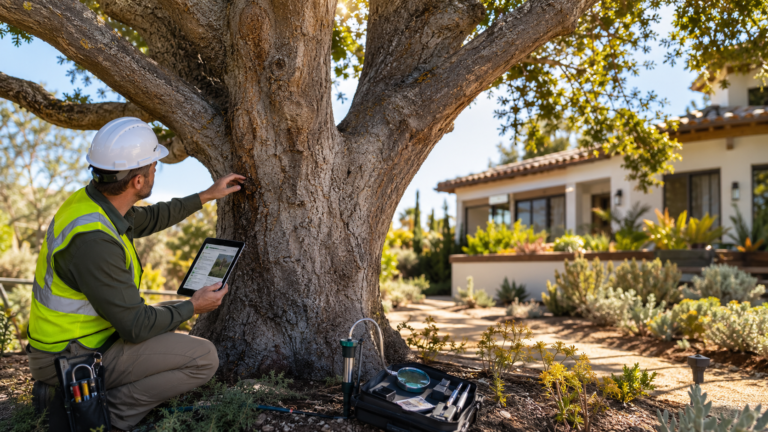
A professional tree health assessment evaluates all contributing factors, ensuring that the chosen treatment is appropriate for the specific situation. This approach minimizes unnecessary costs and improves the likelihood of successful outcomes.
Tree Pest Control and Long Term Tree Health
Effective pest control is not just about eliminating insects. It is about restoring balance and supporting the overall health of the tree. Healthy trees are more resilient and better able to resist future infestations.
Improving soil conditions, optimizing irrigation, and maintaining proper pruning practices all contribute to stronger tree health. These factors reduce stress and make the tree less attractive to pests.
Long term pest management often involves a combination of treatment and preventive care. This integrated approach ensures that the tree remains stable and productive over time.
When to Work With a Consulting Arborist
If a tree shows signs of pest activity, professional evaluation is essential. A consulting arborist can identify the type of pest, assess the severity of the infestation, and recommend the most effective treatment plan.
This is particularly important for larger trees or properties where tree health directly impacts safety and value. Accurate assessment ensures that resources are used efficiently and that the problem is addressed at its source.
At CalEco Arborists, pest control strategies are designed to protect both the tree and the surrounding environment, providing solutions that are effective and sustainable.
Why Choose CalEco Arborists
CalEco Arborists specializes in consulting based tree care that focuses on accurate diagnosis and cost effective solutions. Our approach ensures that pest control treatments are tailored to the specific conditions of each tree.
We provide detailed tree health assessments, pest identification, and treatment recommendations that support long term tree health. Every plan is designed to minimize unnecessary costs while delivering reliable results.
Final Thoughts
Tree pest control costs in Southern California can vary depending on multiple factors, but the key to managing expenses is early detection and accurate diagnosis. Addressing problems at an early stage reduces complexity and improves treatment success.
By understanding what influences cost and working with a qualified arborist, property owners can make informed decisions that protect both their trees and their investment.