

Tree Inspection in Southern California: What to Expect and Why It Matters
Tree inspection is one of the most important steps in maintaining healthy and safe trees in Southern California. While many property owners focus on visible issues such as broken branches or leaf discoloration, the most serious problems often develop beneath the surface and go unnoticed without professional evaluation.
A proper tree inspection provides a complete understanding of a tree’s condition, including its structural stability, root health, and exposure to environmental stress. This information is essential for making informed decisions about maintenance, risk management, and long term care.
At CalEco Arborists, tree inspections are designed to identify both visible and hidden issues, ensuring that trees are evaluated accurately and managed effectively.
What Is a Tree Inspection
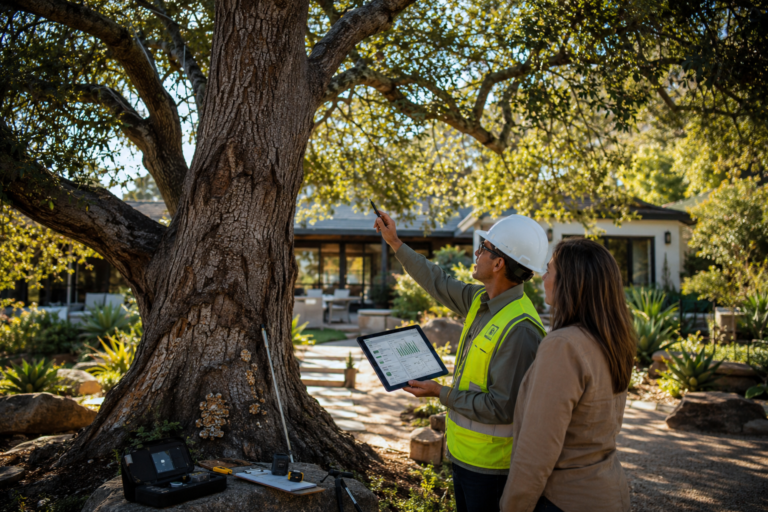
A tree inspection is a detailed evaluation of a tree’s overall condition. It involves examining the canopy, trunk, and root system, as well as the surrounding environment that influences tree health.
The purpose of an inspection is to identify potential problems early, before they develop into more serious issues. This includes detecting signs of disease, pest activity, structural weakness, and environmental stress.
Unlike a quick visual check, a professional inspection takes into account multiple factors that contribute to the tree’s stability and long term performance.
Why Tree Inspections Are Essential
Trees can decline gradually without obvious signs, making regular inspections essential for maintaining safety and health. Many structural issues, such as internal decay or root damage, are not immediately visible but can significantly increase the risk of failure.
In urban environments, where trees are located near buildings and walkways, even minor defects can become serious hazards over time. Regular inspections help identify these risks early, allowing for corrective action before damage occurs.
Tree inspections also support long term planning by providing insight into the condition of trees and helping property owners prioritize maintenance efforts.
What Arborists Look for During an Inspection
During a professional tree inspection, arborists evaluate multiple aspects of the tree to determine its overall condition. This includes assessing the canopy for signs of thinning, discoloration, or abnormal growth patterns that may indicate stress or disease.
The trunk is examined for cracks, decay, or structural defects that could affect stability. Particular attention is given to areas where branches attach to the trunk, as weak connections can increase the likelihood of failure.
The root zone is also a critical focus. Soil conditions, drainage, and signs of root damage are evaluated to determine whether the tree has a stable foundation. Because roots are not visible, this part of the inspection often requires careful analysis of indirect indicators.
Environmental factors such as nearby construction, irrigation systems, and surrounding landscape conditions are also considered, as they can have a significant impact on tree health.
Signs That a Tree Needs Inspection
While routine inspections are recommended, certain signs indicate that a tree should be evaluated as soon as possible. Changes in leaf color, sudden thinning of the canopy, or unexplained branch dieback can all signal underlying issues.
Leaning trees, visible cracks in the trunk, or fungal growth are also indicators that the tree may be structurally compromised. In addition, the presence of pests or unusual residue on leaves or bark may suggest infestation.
These symptoms often represent deeper problems that require professional diagnosis to fully understand.
Tree Inspection and Risk Management
Tree inspection plays a critical role in managing risk, particularly in areas where trees are close to structures or high traffic zones. Identifying potential hazards early reduces the likelihood of branch failure, tree collapse, or other safety concerns.
In Southern California, property owners may be held responsible if a tree causes damage and it is determined that the issue could have been identified through proper inspection. Regular evaluations help reduce this liability by documenting the condition of the tree and identifying necessary actions.
A professional inspection provides a clear understanding of risk and allows for proactive management.
When to Schedule a Tree Inspection
Tree inspections should be conducted regularly, especially for mature trees or those located in sensitive areas. Seasonal changes, environmental stress, and ongoing growth can all affect tree condition over time.
Inspections are particularly important after storms, during property transactions, or before construction projects. Trees that show signs of decline or structural issues should be evaluated immediately to prevent further damage.
Establishing a routine inspection schedule ensures that trees are monitored consistently and that problems are addressed early.
The Role of Professional Tree Assessments
While property owners can observe visible changes, a professional arborist provides a deeper level of analysis. Tree assessments involve evaluating not only what is visible, but also the underlying factors that influence tree health and stability.
At CalEco Arborists, inspections are part of a comprehensive assessment process that considers soil conditions, root systems, structural integrity, and environmental influences. This approach ensures that recommendations are accurate and tailored to the specific needs of the tree.
Professional assessments provide clarity and confidence, allowing property owners to make informed decisions about care and maintenance.
Long Term Benefits of Tree Inspections
Regular tree inspections provide long term benefits that extend beyond immediate maintenance. Healthy trees are more resilient to pests, disease, and environmental stress, reducing the likelihood of costly interventions.
Inspections also help preserve property value by ensuring that trees remain safe and visually appealing. By identifying and addressing issues early, property owners can avoid emergency situations and maintain a stable landscape.
A proactive approach to tree inspection supports both safety and long term tree health.
Why Work With CalEco Arborists
CalEco Arborists specializes in consulting based tree care that focuses on accurate evaluation and long term results. Our tree inspections are designed to provide a complete understanding of each tree’s condition and the factors that influence it.
We provide detailed tree health assessments, risk evaluations, and arborist reports that support informed decision making. Every inspection is conducted with a focus on safety, accuracy, and practical solutions.
Final Thoughts
Tree inspection is a critical part of maintaining safe and healthy trees in Southern California. While many issues are not immediately visible, regular evaluation ensures that problems are identified and addressed before they become serious.
By working with a professional arborist, property owners can protect their trees, reduce liability, and maintain the long term value of their landscape.