


Seasonal Tree Maintenance in Southern California: How to Care for Trees Year Round
Seasonal tree maintenance is one of the most important yet overlooked aspects of tree care in Southern California. While the region does not experience extreme seasonal changes like colder climates, trees are still affected by subtle shifts in temperature, moisture, and environmental conditions throughout the year.
Many property owners assume that trees require minimal care due to the mild climate, but neglecting seasonal maintenance can lead to long term health issues, structural instability, and increased risk. Proper care throughout the year ensures that trees remain healthy, resilient, and safe.
At CalEco Arborists, seasonal maintenance is approached as a continuous process that adapts to changing environmental conditions rather than a one time effort.
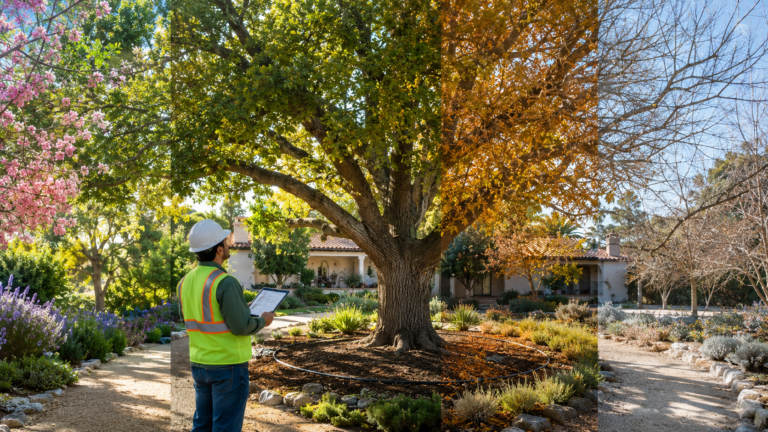
Why Seasonal Tree Care Matters
Trees respond differently to environmental changes throughout the year, even in Southern California’s relatively stable climate. Growth patterns, water needs, and stress levels fluctuate based on seasonal conditions, making it essential to adjust care practices accordingly.
Without proper seasonal maintenance, trees can become vulnerable to pests, disease, and structural weaknesses. Small issues that develop during one season can carry over into the next, gradually compounding into more serious problems.
A proactive approach to seasonal tree care helps maintain balance, supports healthy growth, and reduces the likelihood of costly interventions later.
Tree Care in Spring
Spring is a critical period for tree growth and recovery. As temperatures rise and daylight increases, trees begin to produce new leaves and expand their canopy. This is also the time when many underlying issues from winter become more apparent.
During this period, trees benefit from careful evaluation to identify any damage or stress that may have developed. Pruning during early spring can help remove weak or damaged branches while encouraging healthy growth. It also improves airflow and sunlight penetration, which are essential for strong canopy development.
Spring is also an important time to assess soil conditions and nutrient levels. Supporting the tree during this growth phase helps establish a strong foundation for the rest of the year.
Tree Care in Summer
Summer in Southern California presents one of the most challenging periods for trees due to high temperatures and increased water demand. Heat stress is a common issue, especially in urban environments where reflective surfaces and limited shade amplify temperature exposure.
Proper irrigation becomes critical during this time. Trees require consistent and balanced watering to maintain stability, but overwatering can still create problems such as root decay. Adjusting irrigation schedules based on temperature and soil conditions helps prevent both drought stress and excess moisture.
Monitoring for pests and disease is also important during summer, as warmer conditions can accelerate infestations. Early detection allows for timely intervention before damage becomes severe.
Tree Care in Fall
Fall is a transitional period where trees begin to slow their growth and prepare for cooler conditions. This is an ideal time to focus on structural maintenance and long term planning.
Pruning during fall can help improve tree structure and remove any branches that may pose a risk during seasonal weather changes. It is also a good time to evaluate overall tree health and identify any issues that may need attention before winter.
Soil management during this period supports root development and helps trees retain moisture more effectively. Addressing soil conditions in the fall can improve resilience and reduce stress during the following seasons.
Tree Care in Winter
Although winters in Southern California are relatively mild, this season still plays an important role in tree health. Growth slows significantly, allowing trees to conserve energy and recover from stress experienced throughout the year.
Winter is an ideal time for more extensive pruning, as the reduced foliage makes it easier to assess structure and identify potential weaknesses. This helps prepare the tree for healthy growth in the spring.
It is also a good time to conduct a comprehensive tree inspection. Evaluating structural integrity, root conditions, and any signs of disease ensures that the tree is ready for the next growth cycle.
The Importance of Consistency in Tree Maintenance
One of the most common mistakes in tree care is inconsistency. Many property owners address issues only when visible problems arise, rather than maintaining a regular care routine. This reactive approach often leads to more severe issues over time.
Consistent maintenance allows for early detection of problems and ensures that trees receive the care they need at each stage of the year. By adjusting practices based on seasonal conditions, trees are better able to adapt and remain stable.
A structured maintenance plan reduces stress, improves growth, and extends the lifespan of trees.
Seasonal Tree Care and Risk Management
Tree maintenance is closely tied to safety, particularly in urban environments where trees are located near structures and high traffic areas. Seasonal changes can affect structural integrity, especially when combined with environmental stress.
Branches weakened by heat or disease may become more likely to fail, while root systems affected by soil conditions may lose stability. Regular seasonal inspections help identify these risks before they become hazards.
In Southern California, property owners may be held liable if a tree failure causes damage and the issue could have been prevented through proper maintenance. This makes seasonal care an essential part of risk management.
The Role of Professional Tree Assessments
Seasonal maintenance is most effective when supported by professional evaluation. A consulting arborist provides insight into how seasonal conditions are affecting tree health and identifies issues that may not be immediately visible.
At CalEco Arborists, tree assessments are designed to evaluate the full scope of tree health, including soil conditions, structural integrity, and environmental stress factors. This allows for adjustments to maintenance strategies that align with seasonal needs.
Professional guidance ensures that care practices are based on accurate information rather than assumptions.
Long Term Benefits of Seasonal Tree Care
Maintaining trees throughout the year provides significant long term benefits. Healthy trees are more resilient to pests and disease, better able to withstand environmental stress, and less likely to develop structural issues.
Consistent care also enhances property value by preserving the aesthetic and functional benefits that trees provide. In addition, proactive maintenance reduces the likelihood of emergency situations that can be costly and disruptive.
By investing in seasonal tree care, property owners can ensure that their trees remain stable, healthy, and valuable over time.
Why Work With CalEco Arborists
CalEco Arborists specializes in consulting based tree care that focuses on long term health and risk reduction. Our approach to seasonal maintenance is tailored to the specific conditions of each property, ensuring that trees receive the right care at the right time.
We provide comprehensive tree health assessments, seasonal maintenance planning, and arborist reports that support informed decision making. Every recommendation is based on a detailed understanding of tree biology and environmental conditions in Southern California.
Final Thoughts
Seasonal tree maintenance is essential for maintaining healthy and stable trees in Southern California. While the climate may appear consistent, subtle changes throughout the year can have a significant impact on tree health.
By adopting a proactive approach and adjusting care practices to match seasonal conditions, property owners can prevent problems before they develop and ensure long term success.
Working with a professional arborist provides the expertise needed to manage these changes effectively and protect the value of your landscape.