Tree Disputes Between Neighbors in California: Laws, Property Rights, and Arborist Solutions
Tree disputes between neighbors are common throughout Southern California, especially in Los Angeles and surrounding areas where mature trees and tight property lines are prevalent. These conflicts often begin with overhanging branches or encroaching roots but can escalate into serious legal disputes involving property damage, liability, and tree removal rights.
Under California property law, ownership and land use rights are governed by principles outlined in California Civil Code Section 658. This establishes that property ownership includes the land and everything attached to it. However, disputes arise when trees extend beyond property boundaries and begin affecting neighboring land.
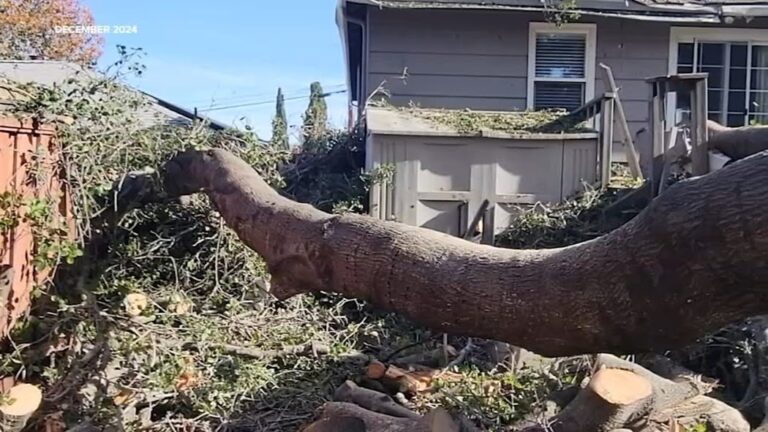
Who Owns the Tree? (California Tree Law Explained)
Tree ownership is determined by the location of the trunk.
If the trunk is entirely on one property, the tree belongs to that property owner, even if branches or roots extend into a neighbor’s yard. However, when a tree straddles a property line, it is generally considered jointly owned, meaning both parties share responsibility.
In these cases, neither property owner can remove or significantly alter the tree without mutual consent. This is one of the most misunderstood aspects of California tree law and neighbor disputes, often leading to conflict.
What You Can Legally Trim (Neighbor Tree Rights California)
California law allows property owners to protect their property by trimming portions of a neighboring tree that encroach onto their land. This falls under nuisance law, particularly California Civil Code Section 3479.
You are generally allowed to:
- Trim branches that extend over your property line
- Cut back roots encroaching onto your land
- Maintain your property to prevent interference
However, this right must be exercised carefully. Trimming must be reasonable and cannot damage the overall health or stability of the tree. If excessive cutting causes harm or leads to tree failure, the person performing the work may be held liable.
When Tree Roots or Branches Cause Property Damage
When a tree begins causing physical damage, the situation becomes more serious and may involve legal liability.
Common issues include:
- Cracked foundations or retaining walls
- Lifted sidewalks or driveways
- Roof damage from overhanging limbs
- Root intrusion into plumbing or underground utilities
Under California Civil Code Section 1714, property owners may be held responsible if they fail to prevent foreseeable damage caused by their tree.
Liability often depends on whether the owner knew, or reasonably should have known, about the problem and failed to act. This is where documentation and professional arborist reports become critical.
When a Tree Dispute Becomes a Legal Case
Not all neighbor disputes escalate, but they often do when ignored or handled improperly. Many of these cases fall under the legal definition of nuisance, particularly when a tree interferes with the use and enjoyment of property.
Legal escalation is more likely when:
- A hazardous tree is reported but not addressed
- Ongoing damage continues without action
- Unauthorized or excessive trimming occurs
- There is disagreement over financial responsibility
Courts and municipalities often rely on certified arborist evaluations to determine fault, risk, and responsibility.
The Role of a Consulting Arborist in Tree Disputes
Tree disputes are rarely resolved through opinion alone. A consulting arborist in Los Angeles or Southern California provides an objective, evidence-based assessment that helps resolve conflicts.
At Cal Eco Arborists, consulting work focuses on identifying causation, evaluating risk, and documenting findings in a way that aligns with both arboricultural standards and legal requirements.
This process typically includes:
- Site inspection and condition documentation
- Root system evaluation and structural impact analysis
- Tree risk assessment and hazard evaluation
- Preparation of formal arborist reports for legal or municipal use
These reports are frequently used in neighbor disputes, insurance claims, and legal proceedings, making them a key factor in resolution.
How to Handle a Tree Dispute With a Neighbor
Most tree disputes can be resolved early with proper communication and documentation. Ignoring the issue often leads to escalation.
A practical approach includes:
- Documenting visible damage and tree condition
- Communicating concerns clearly with the neighbor
- Consulting a professional arborist for evaluation
Taking these steps early helps establish clarity and prevents misunderstandings before legal action becomes necessary.
When You Need an Arborist Report (Legal & Insurance Support)
When disputes involve structural damage, liability concerns, or ongoing disagreement, professional documentation becomes essential.
A properly prepared arborist report in California can:
- Establish causation of damage
Determine tree ownership and responsibility - Evaluate safety risks and hazard potential
- Provide defensible documentation for legal or insurance use
Without this level of documentation, disputes often rely on conflicting opinions, making resolution more difficult and costly.
Professional Arborist Consulting at Cal Eco Arborists
Tree disputes require accurate evaluation and defensible conclusions. At Cal Eco Arborists, we specialize in tree dispute consulting, tree risk assessment, and arborist reports in Southern California.
Led by Killian Vendler, our work focuses on delivering objective findings that align with California law, municipal requirements, and industry standards.
Whether the issue involves property damage, risk mitigation, or permitting, our team provides the clarity needed to resolve disputes efficiently and professionally.
Early evaluation, proper documentation, and professional arborist input are the most effective ways to resolve disputes and protect both property and relationships. Contact Cal Eco Arborists today.